One of the features of wood flooring you may not have considered until you’ve ordered it is the finish. After all, there are a few different options for wooden flooring to choose between, including oiled, lacquered, and unfinished. It may seem a little overwhelming at first, but we’re here to help break down the finer details.
Here at Tapi, you don’t need to worry about which finish to choose from, as our flooring comes pre-finished before we deliver it to your door to be fitted. But if you’re working with different flooring, check out our top tips below.
We’ll take you through the differences and benefits of oiled vs lacquered wood flooring, including how they work. We’ll cover key flooring maintenance considerations, as well as which finish might perform best in different areas of the home. So, read on if you’re thinking of installing engineered wood into your living room, hallway, dining room, kitchen or bedroom.
In this guide:

If you’re wondering whether to choose an oil or lacquer wood floor finish, it’s helpful to consider each option individually. Each finish has distinctly different benefits and looks. Read on as we explain the key differences of both, as well as what they might look like on engineered wood flooring:
An oiled flooring finish is where flooring oil soaks into the wood, accentuating its natural colour and wood rings and giving your flooring a more traditional and authentic look. The oil penetrates deep into the core of the wood, but doesn’t fill up any of the pores, so the wood can still breathe properly. This also helps to reduce the risk of warping or cracking as the flooring ages.
An oiled flooring finish on engineered wood looks matte, and if you apply a wax varnish, it can give it a slight satin finish too. Generally, oiled flooring finishes can be less slippery than lacquer, which may be ideal for busy households with pets or children.
Here are some of the main differences when it comes to maintaining a wooden floor with an oil finish:

A lacquered flooring finish acts like a varnish. It sits on top of the wood but doesn’t sink into the board like oil finishes do. Lacquered finishes often have much more of a shine than oiled finishes, although some lacquered finishes can still have a low-shine mat effect.
Typically, gym floors and dance halls were often finished with lacquer because the finish was so strong and could hold up against the impact of hundreds of feet. This makes it ideal for high-traffic areas of the home, such as hallways, living rooms and kitchens.
Here are a few key maintenance and performance factors to consider when comparing lacquered vs oiled floor options:

Now that you know the difference between oil vs lacquered wood flooring finishes, you can start thinking about which finish you’d prefer in your space. If you’d like more guidance on how each finish might perform in different areas of your house, check out our recommendations below:
Your living room floor is not as likely to see lots of busy feet passing over it as your hallway, so opting for an oiled floor finish here will help highlight the beautiful, engineered wood floors in your space.
An oiled finish can help to preserve the make-up of your engineered wood top layer, which is made of solid wood, as it seeps into every layer. It will also help to preserve the authenticity of the look and feel of the wood.
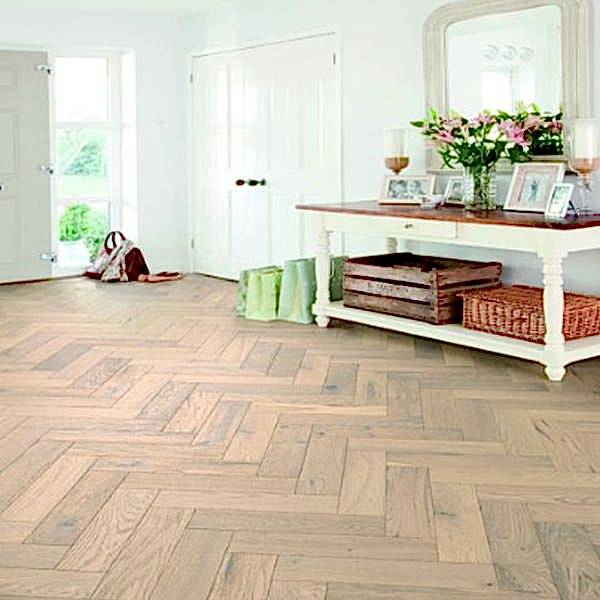
Your hallway is one of the busiest areas in your home, with many feet passing through at all times. With the gradual wear and tear of shoes, bringing in shopping bags, and greeting visitors, your hallway flooring requires an extra layer of protection. This area of the home needs flooring that can handle all that action, so opting for a lacquered floor finish can help protect your engineered wood flooring.
It’s also much easier to keep flooring in this area of the home well-maintained and clean. Simply sweep it with a soft brush and clean it with a slightly damp (almost dry) mop.
Your dining room is another area of the home that can get very busy, with daily meals, homework, working from home, and chores often occurring around the dining table.
Lacquered floors are best at coping with the impact of lots of feet passing through a space. However, oiled flooring finishes can help hide any marks from chair and scrapes, so it really depends on what you’re more concerned about.
We’d opt for lacquered floor to help keep your floor protected for longer. Scrape marks are inevitable in dining rooms with wooden floors, so you may as well aim to protect your floor with a rug and a lacquered finish.
As the heart of the home, kitchens are high-traffic spaces. Your kitchen flooring needs to be up to the challenge of daily footfall, as well as potential liquid spills and food stains. Choosing kitchen engineered wood flooring with a lacquered finish can offer more durability day-to-day, shielding your floors from liquid and dirt buildup with a stronger surface barrier than most oil finishes.
However, if you’re looking for even more protection for your flooring, luxury vinyl tile can deliver the appearance of real wood flooring with superior water resistance. Perfect for busy kitchens and utility spaces.
It’s highly unlikely there will be many people walking around your bedroom, especially in shoes, so you can feel more at ease with using oiled floor finish on engineered wood flooring in bedroom spaces.
Opting for oiled flooring will be much more luxurious too. You’ll be able to feel the genuine wood underneath your feet, which some people may prefer on bare feet rather than feeling the smooth finish of lacquered floors.

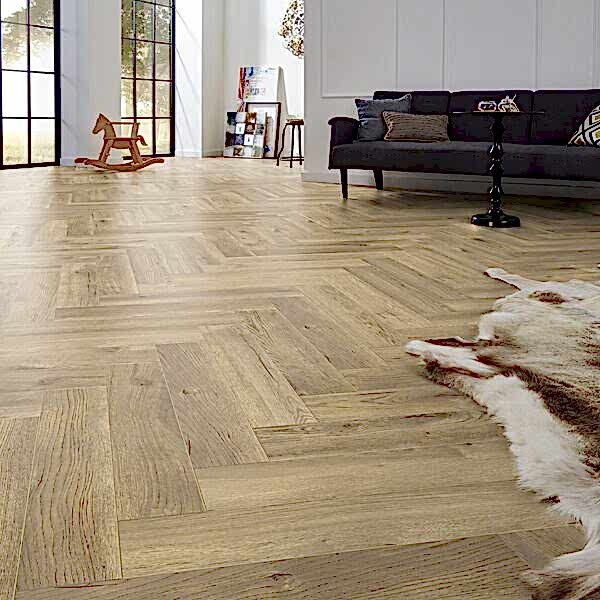
If you’re considering oil or lacquer wood floor designs, there are lots of options to choose from – whether you prefer classic oak engineered wood or a subtle grey engineered wood. That’s right, you can browse various colour stains that will further enhance the grain of the wood!
Still uncertain about whether engineered wood is right for you? Check out our complete guide to engineered wood to learn more about its advantages and characteristics. Alternatively, head on over to our Ideas Hub for tons more inspiration, including guides on different types of flooring finishes and how to style engineered wood in your kitchen.
Why not pop down to your local Tapi store with a free store appointment and speak to our floorologists about our services? Browse our newest flooring options and get personalised recommendations based on your dream flooring ideas. Alternatively, you can even book a free home visit where we can measure your space and let you know what flooring finish would work best for you.
Published: 12-03-2025