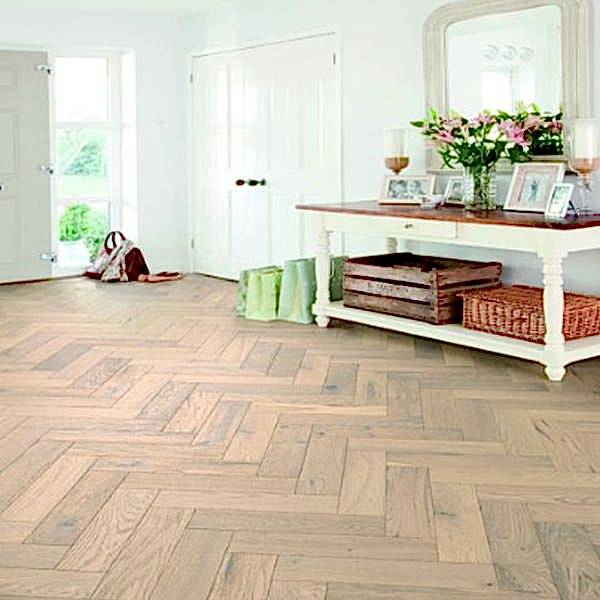
Vinyl and luxury vinyl tiles (LVT) are becoming increasingly popular in British homes, and we can understand why. Stylish, versatile, and water resistant, they’re ideal for high traffic, water prone areas like kitchens, bathrooms, and utility spaces, which benefit from easy cleaning.
Thinking of upgrading your floors with brand new vinyl or luxury vinyl? Like with any new flooring, there’s often lots to weigh up, including style choices and practical benefits. You’ll also need to consider factors like underlay and installation methods – which is where we come in.
While there isn’t a preferred underlay for vinyl flooring and LVT, we do know a lot about the different types of vinyl underlay available. In fact, many vinyl flooring options come with underlay built into the design. In this guide, we’ll explore everything you need to know about the best underlay for vinyl flooring and LVT – if you need it!
In this guide:

Underlay is a layer that sits between your subfloor and the decorative flooring you can see on top. Your subfloor is the base layer of your house, and is normally made from concrete, wooden planks, or a composite material. Made from a range of materials, underlay acts as a barrier between your flooring and your subfloor, adding extra comfort, thermal insulation, and sound absorption, among other benefits.
Our helpful underlay guide explains all you need to know about how it can improve the performance of your flooring.
Sheet vinyl flooring has a thick, dense backing, so it doesn’t need an underlay. It’s installed directly to clean, level and dry subflooring, though you might need to prepare the floor with ply-boarding or a smoothing compound first.
Now, when it comes to vinyl and luxury vinyl tiles, there are some key differences that we want to make sure everyone knows about while they browse their choices:
Both options are available in a range of realistic wood and stone designs, elevating your space with your choice of oak, walnut, and slate-effect floors. For more insights on their differences, explore our dedicated LVT flooring guide.

It depends! Any vinyl flooring that’s installed directly to the subfloor, such as sheet vinyl or dryback LVT, doesn’t need underlay. However, floating floors like click LVT, will require underlay (if it isn’t already built-in). At Tapi, you’ll find that all our click LVT has underlay built in for easy installation.
However, the most important factor when laying vinyl flooring is ensuring your subfloor is smooth, clean, dry, and structurally sound before fitting vinyl flooring on top. If your subfloor has any bumps or inconsistencies, it’s likely they will show over time. An uneven or unstable subfloor can impact the longevity and appearance of both your vinyl and LVT flooring.
Read our guide to learn more about when to replace your subfloor.
Whether you’ll need separate underlay for LVT often boils down to what type of plank and installation method you choose:
Our self-adhesive LVT underlay is less messy and much quicker than spreading adhesive. It’s compatible with both dryback LVT as well as click LVT products that don’t already have built-in underlay.
Different products may have various levels of underlay support and provide alternative benefits as a result. High-quality LVT brands like Karndean flooring use layers of heavy-duty polyvinyl chloride (PVC) as part of the structural underlay – offering extra stability and water resistance throughout its many layers.
To summarise, here’s what you should know about our flooring at Tapi:
| Flooring option | Requires separate underlay |
|---|---|
| Sheet vinyl | No |
| Click LVT | No |
| Dryback LVT | No |

Luxury vinyl and vinyl flooring underlay has a range of important benefits, making sure your floors perform at their best for as long as possible. These benefits can vary depending on the product, but can include:
Underlay is not usually necessary for most vinyl – and lino – floors. Well-cushioned vinyl flooring should work fine on its own if the subfloor surface is smooth and level. No matter if the vinyl or LVT flooring includes underlay or not, remember to compare each flooring option for different practical factors to make sure it meets your needs.
For instance, we recommend comparing factors such as:

Here are some frequently asked questions our floorologists regularly answer about LVT and vinyl flooring underlay, just in case you might be thinking of them yourself:
No, you don’t need an underlay for sheet vinyl floors. All our vinyl flooring comes with either a soft foam or firm felt backing for comfort and durability.
Selecting the right underlay for vinyl flooring on concrete is important, especially if your concrete subfloor is damp or not fully dry. Concrete subfloors can be porous and absorb moisture, so using a type of underlay called a damp proof membrane or DPM can help create an effective moisture barrier. In some cases, a liquid DPM may be more suitable, depending on how dry the concrete is.
The best vinyl underlay or vinyl flooring to install on floorboards depends on your functional needs. Does it need to be extra insulating? Is it for a bathroom that will require water resistance? Or do you need added stability? For example, rigid LVT underlay can offer universal strength and durability, while sheet vinyl with built-in foam underlay is often more affordable.
In any case, you’ll often need to fit plywood on the subfloor first before you lay vinyl and LVT over wooden floorboards. This will give your vinyl a nice flat, level surface without any grooves or dips to impact its installation and appearance.

In most cases, you won’t need to buy additional underlay when you purchase vinyl and LVT – but it can depend on the product, as some options are available separately. We recommended double-checking the product details to make sure you’re happy with your choices.
If you have any more questions, or you’d like to discuss your options for vinyl and luxury vinyl flooring, why not book a free home appointment to chat with our experts? Our in-store floorologists and home consultants will be delighted to recommend the best options for you.
Check out our samples online and order them to your door for free to see and feel the difference for yourself. For more inspiration, explore our comparison guides and flooring care tips on our Ideas Hub. Fall in love with your floors again with Tapi.
Published: 05-11-2024
Last reviewed: 11-12-2025